
Tecomanthe speciosa, also known as the Three Kings Vine or New Zealand Trumpet Flower, is a rare and endangered flowering plant that is native to the Three Kings […]

Adventure / Challenges / Historical / Inspiration / Photography / Roadtrips / Sustainability
Posted on:
The Timeless Guardians of the Desert: The King Clone and Conservation Efforts
In vast stretches of the Mojave Desert, where the sun reigns supreme and the ground tells tales of resilience, thrives an organism whose life story challenges our understanding […]
Adventure / Community / Destinations / Historical / Inspiration / Photography / Roadtrips / Solo / Sustainability / Wanderlust
Posted on:
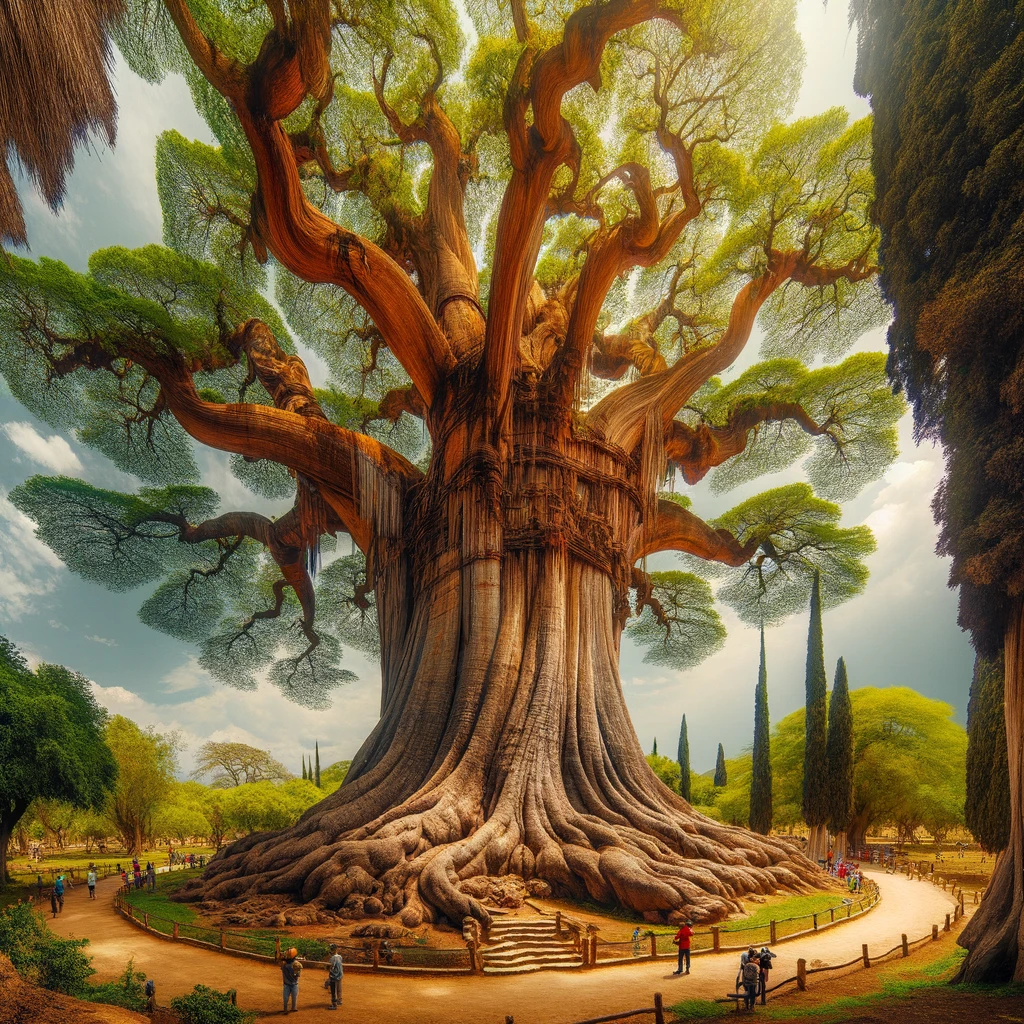
The Majestic Tree of Tule: A Natural Wonder in Oaxaca, Mexico
In the picturesque town of Santa María del Tule in Oaxaca, Mexico, stands one of the most remarkable natural wonders of the world – the Tree of Tule […]
Adventure / Destinations / Historical / Roadtrips / Solo / Sustainability / Wanderlust
Posted on:
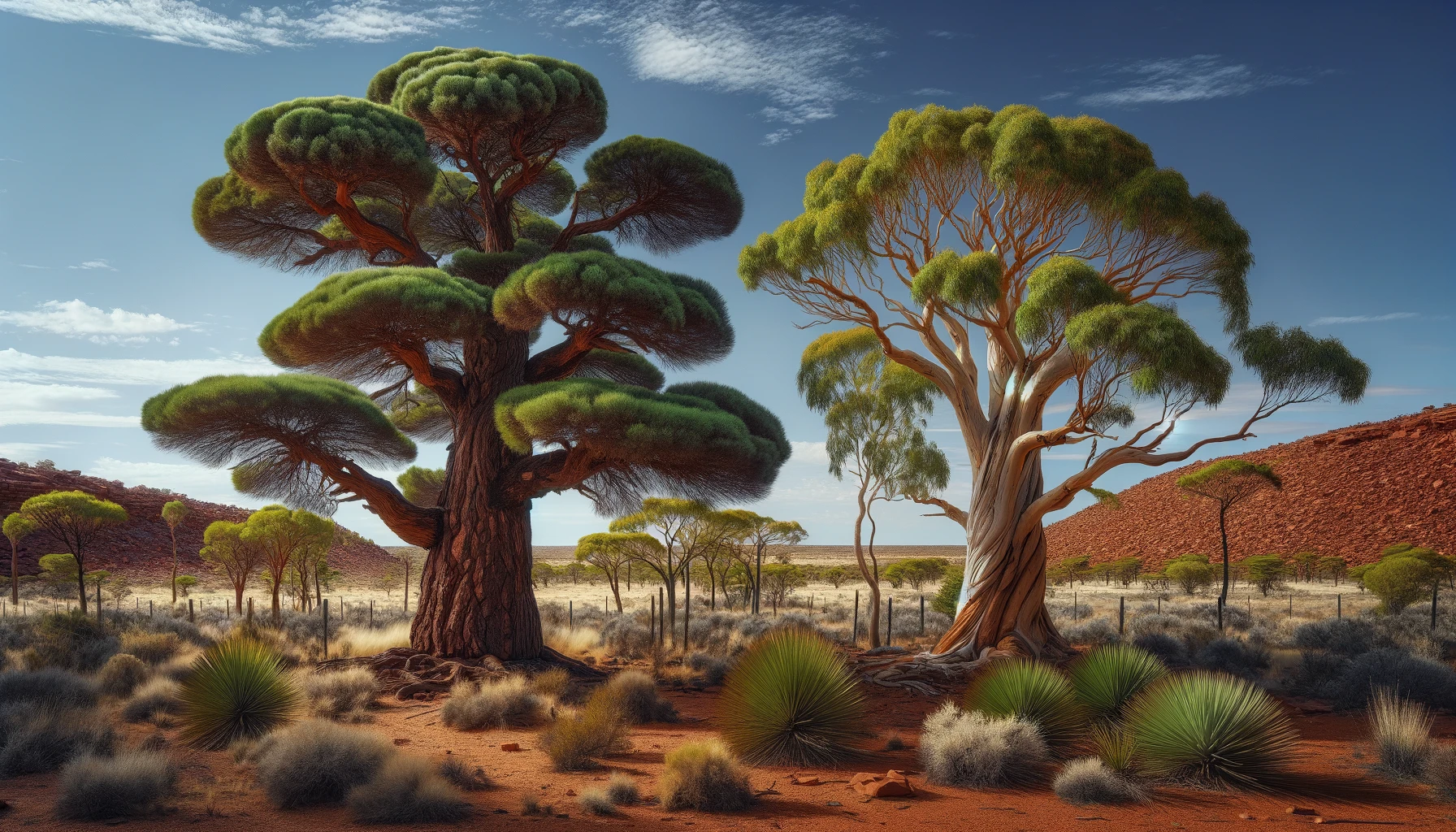
The Tale of Two Trees: Wollemia Nobilis and Eucalyptus Recurva
In Australia, the remarkable Wollemi Pine and Eucalyptus recurva epitomize botanical diversity and resilience. The Wollemi Pine, a “living fossil,” astounded scientists with its recent rediscovery, leading to clandestine conservation efforts. Eucalyptus recurva, known for economic utility, represents adaptability. Both species highlight biodiversity’s wonder and illustrate pressing conservation narratives.
Adventure / Art / Destinations / Historical / Inspiration / Photography / Roadtrips / Solo / Sustainability / Wanderlust
Posted on:
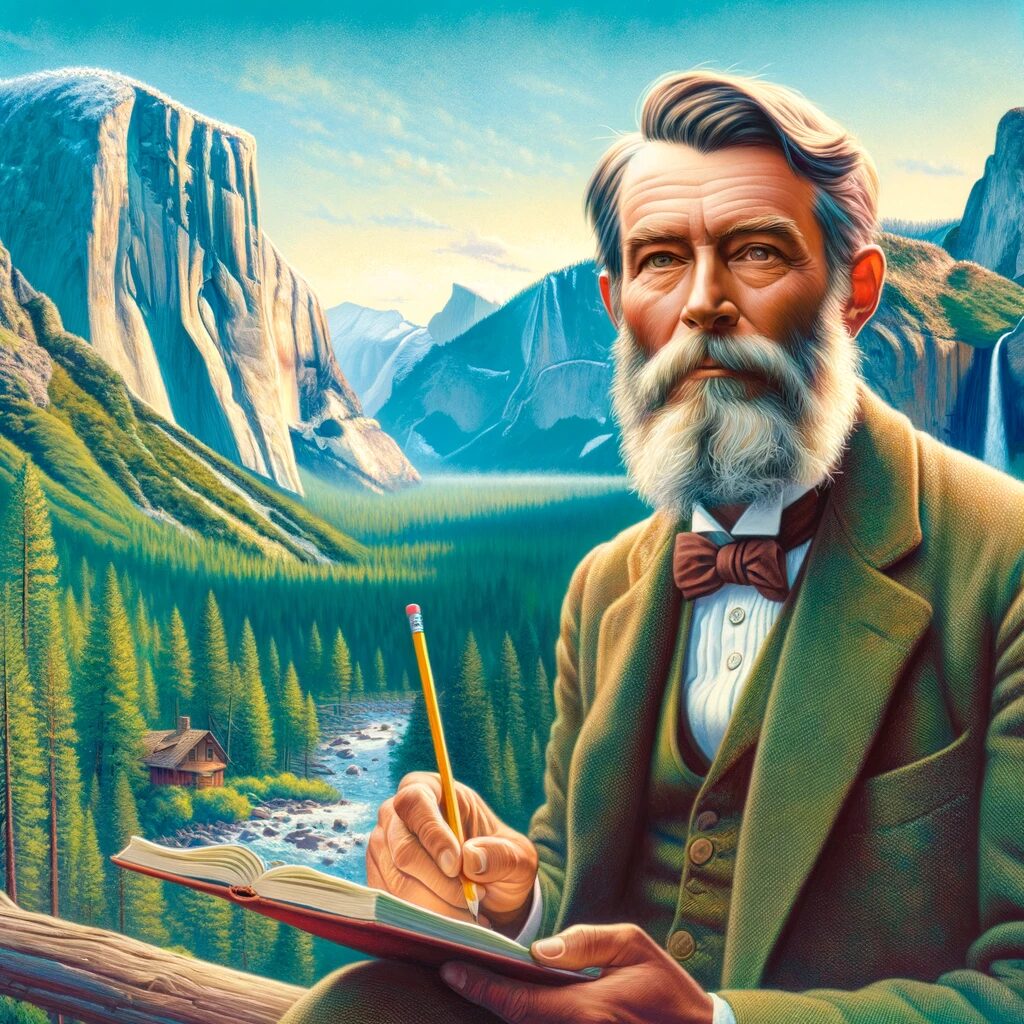
John Muir: The Father of National Parks and a Pioneer of Conservation
John Muir’s contributions to conservation and national parks are significant, yet his legacy is marred by his era’s racist views toward Native Americans and other ethnic groups. Notably, Muir was instrumental in the creation of the National Park system and co-founded the Sierra Club. His writings inspired many to value and protect nature, infusing the environmental movement with respect and stewardship philosophies. However, critical examination of his life reveals a complex figure with profound achievements alongside reflective prejudices of his time.