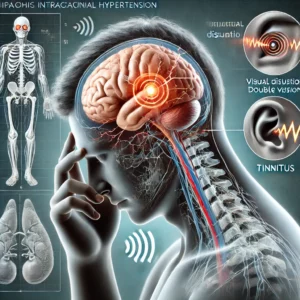
Idiopathic Intracranial Hypertension (IIH), also known as pseudotumor cerebri, is a condition characterized by increased pressure within the skull without any obvious reason. This condition can mimic the symptoms of a brain tumor, hence the term “pseudotumor.” While not typically life-threatening, IIH can lead to serious complications, including vision loss, if not properly managed.
What is Idiopathic Intracranial Hypertension?
IIH is a neurological disorder marked by elevated intracranial pressure (ICP) in the absence of a detectable brain tumor or other diseases. The term “idiopathic” indicates that the exact cause of the condition is unknown.
Symptoms of IIH
The symptoms of IIH primarily result from increased pressure on the brain and the optic nerves. Common symptoms include:
- Headaches: Persistent, throbbing headaches that often worsen in the morning or when lying down.
- Visual disturbances: This can include transient visual obscurations, blurred vision, double vision (diplopia), and in severe cases, vision loss due to swelling of the optic nerve (papilledema).
- Tinnitus: A ringing or whooshing sound in the ears that often coincides with the heartbeat (pulsatile tinnitus).
- Nausea and vomiting: Similar to symptoms experienced with a brain tumor.
- Neck and shoulder pain: Caused by increased intracranial pressure.
Causes and Risk Factors
The exact cause of IIH is not well understood, but several risk factors have been identified:
- Obesity: Particularly prevalent among women of childbearing age, obesity is a major risk factor for IIH.
- Medications: Certain drugs, such as tetracycline antibiotics, growth hormones, and excessive vitamin A, can contribute to the development of IIH.
- Hormonal changes: Hormonal imbalances or fluctuations may play a role in the onset of IIH.
- Medical conditions: Conditions like polycystic ovary syndrome (PCOS) and chronic kidney disease have been linked to IIH.
Diagnosing IIH
The diagnosis of IIH involves a combination of clinical assessment and diagnostic testing:
- Ophthalmologic examination: To check for papilledema, or swelling of the optic disc.
- Lumbar puncture: To measure cerebrospinal fluid (CSF) pressure and exclude other causes of increased ICP.
- Neuroimaging: MRI or CT scans to rule out other intracranial abnormalities like tumors or blood clots.
Treatment Options
The primary goals of treatment are to reduce intracranial pressure and prevent vision loss:
- Medications: The first line of treatment often includes medications like acetazolamide, which reduces CSF production. Diuretics such as furosemide may also be used.
- Weight loss: For overweight patients, weight reduction can significantly improve symptoms.
- Surgery: In cases where medical therapy is ineffective, surgical interventions like optic nerve sheath fenestration or the placement of a shunt to divert CSF may be considered.
- Regular monitoring: Continuous ophthalmologic examinations are essential to monitor and prevent vision deterioration.
Prognosis
The outlook for individuals with IIH varies. Many patients respond well to medication and lifestyle changes, particularly weight loss. However, without proper treatment, IIH can lead to permanent vision loss. Early diagnosis and intervention are crucial to managing the condition effectively.

Idiopathic Intracranial Hypertension is a challenging condition requiring a comprehensive approach for effective management. Recognizing the risk factors, identifying symptoms early, and adhering to treatment protocols are essential steps in preventing complications and ensuring a better quality of life for those affected by IIH.