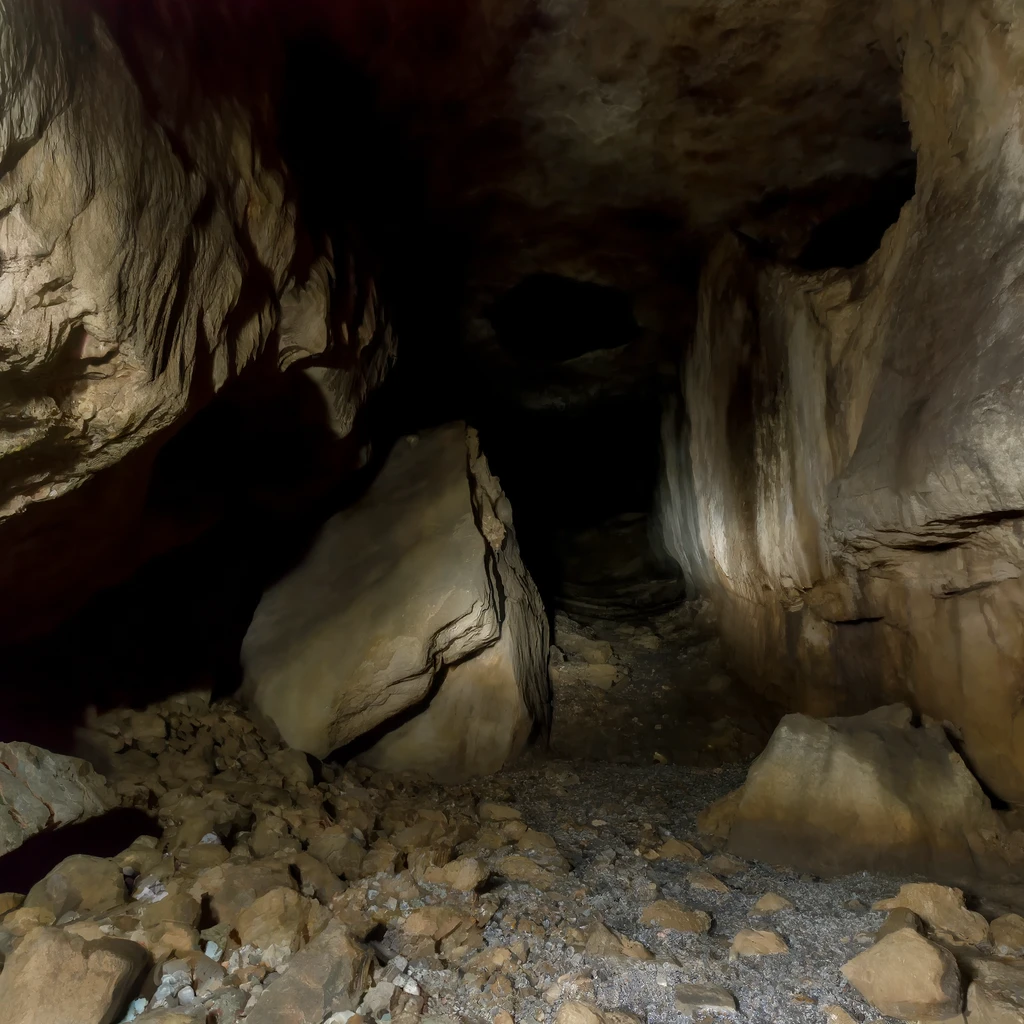
In the quiet isolation of Kentucky’s rugged landscape lies Buzzard Roost Cave, a site both fascinating to cave enthusiasts and notorious for the tragic accident that claimed the life of William Coughlin in 1993. This article explores the details surrounding his death, the inherent risks of cave exploration, and the subsequent impact on the caving community.
Introduction to the Tragedy
Buzzard Roost Cave, known for its intricate passages and the lure of unexplored spaces, became the scene of a grim discovery in April 1993. William Coughlin, an experienced caver, embarked on what was supposed to be a routine exploration. However, it ended fatally, adding a somber note to the cave’s history.
The Incident
Coughlin was part of a small group exploring the deeper sections of the cave. The group faced unexpected difficulties that led to Coughlin becoming separated. Despite a swift response and rescue efforts, Coughlin was found deceased due to a fall, highlighting the perilous nature of spelunking, even for veterans.
At about 7:00 P.M., Coughlin tried a third time but lost his grip at the outcrop and fell. His back hit a ledge partway down and his head hit a rock at the bottom, causing a two-inch scalp cut, but he was apparently otherwise uninjured. The cut reportedly bled profusely. The two at the top were told to get help.
NSS News Dec 1994 Pt2
With companions “pushing and pulling” he managed to get up the pit. Coughlin was belayed and similarly helped up the 25-foot ladder but when he tried to descend the V-floored slot head-first, he slipped and became stuck. He was the largest of the group, at 6 feet 2 inches and 230 pounds.
The victim apparently became hypothermic and did not respond to questions after 1:00 AM. Rescuers attempted to enlarge the hole but the area was too unstable. The head cut was treated and oxygen was administered. At about 5:00 AM. the victim was declared dead.
Risk Factors in Cave Explorations
Cave exploration, or spelunking, is fraught with risks. From sudden falls and flooding to the loss of light and hypothermia, the environment inside a cave like Buzzard Roost is unforgiving. This section delves into the specific hazards that cavers face and how these might have contributed to the tragedy.
Impact on the Caving Community
Coughlin’s death was a wake-up call to the spelunking community, reinforcing the need for rigorous safety measures. It spurred discussions on better preparedness, the importance of caving with experienced groups, and the implementation of more robust rescue practices.
Safety Measures and Prevention
Following the incident, there was a push for improved safety protocols within the caving community. This includes the enhancement of gear standards, the establishment of more comprehensive training programs, and the spread of awareness about the realistic dangers of cave explorations.

The loss of William J. Coughlin remains a poignant reminder of the risks associated with cave exploration. It underscores the need for respect and caution in confronting the subterranean mysteries of places like Buzzard Roost Cave.