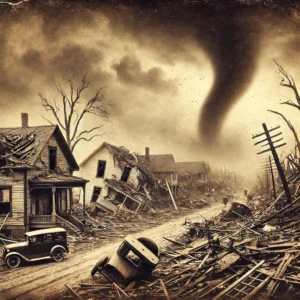
On September 29, 1927, the United States experienced a catastrophic tornado outbreak that left a profound impact on the Midwest, particularly in Illinois and Missouri. This event remains one of the deadliest tornado outbreaks in U.S. history, showcasing the destructive power of nature and the importance of preparedness in the face of severe weather.
Meteorological Conditions
The conditions leading up to the outbreak were ripe for tornado development. A warm, moist air mass moved into the region, colliding with a cooler air mass, which created instability in the atmosphere. This instability was further enhanced by the presence of a cold front, triggering severe thunderstorms that would ultimately spawn multiple tornadoes.
As the day progressed, weather conditions rapidly deteriorated, with thunderstorms intensifying throughout the afternoon and into the evening. By the time the tornadoes began to form, residents were largely unaware of the impending danger.
Tornado Activity
The tornado outbreak produced at least 13 confirmed tornadoes across the affected states, with the most intense activity recorded in southern Illinois. The tornadoes varied in strength, but several reached significant intensity, causing extensive damage as they carved their paths through communities.
One of the most devastating tornadoes struck Murphysboro, Illinois, where entire neighborhoods were obliterated. Reports describe a scene of destruction, with homes and businesses reduced to rubble, and countless residents left homeless.
Damage and Casualties
The September 29 outbreak was particularly deadly, claiming at least 40 lives and injuring many more. The destruction was not confined to Murphysboro; other towns in the region also experienced severe damage, with infrastructure, schools, and hospitals affected.
The aftermath of the tornadoes left communities reeling, as rescue efforts began immediately to search for survivors and provide aid to those affected. Emergency services and volunteers worked tirelessly to clear debris and assist the injured, while local governments rallied to provide shelter and resources for rebuilding.
Historical Significance
The tornado outbreak of September 29, 1927, serves as a stark reminder of the dangers posed by severe weather events. At the time, meteorological forecasting was still in its infancy, and many residents were unprepared for the intensity of the storms that struck their communities.
In response to the disaster, there was a push for improved weather forecasting systems and public awareness campaigns regarding tornado safety. The event underscored the need for effective communication about severe weather and the establishment of early warning systems to protect lives.
Lessons Learned
The tragedy of the September 29 tornado outbreak led to significant advancements in meteorology and emergency preparedness. It prompted a reevaluation of tornado warning systems, leading to the development of more reliable forecasting technologies and public safety measures.
Today, tornado preparedness includes community drills, public awareness programs, and the use of technology to disseminate warnings quickly. The legacy of the 1927 outbreak continues to influence how communities respond to severe weather, emphasizing the importance of readiness and resilience in the face of natural disasters.

The tornado outbreak of September 29, 1927, remains a pivotal moment in U.S. meteorological history. As one of the deadliest tornado events of the early 20th century, it serves as a powerful reminder of nature’s unpredictability and the necessity for ongoing advancements in weather forecasting and public safety. By learning from past disasters, communities can better prepare for the challenges posed by severe weather, ultimately saving lives and reducing the impact of future storms.